

- The decision to support Widzew Łódź and become one of the Club's Sponsors is a natural step for us. Sport has been firmly rooted in the DNA of the Rex-Bud Budownictwo Group for years and is an integral part of our everyday organisational culture. In business, exactly as on the pitch, the same principles count: team play, mutual trust, iron discipline and determination in pursuit of the goal. As a company responsible for demanding projects, we know that sustainable foundations and success only rise through the hard work of the entire team. We find the same values at Widzew," points out Robert Karczewski, Co-owner and Finance Director of Rex-Bud Budownictwo. - Although as the Rex-Bud Budownictwo Group we carry out advanced investments all over Poland, our heart and roots have always been, are and will always be in Łódź. This is where the command centre of our organisation beats. We are proud of where we come from, so it was a natural choice for us to support the club, which is one of the most important and expressive symbols of our city," he adds. more information at: https://www.widzew.com/pl/w/widzew-rex-bud
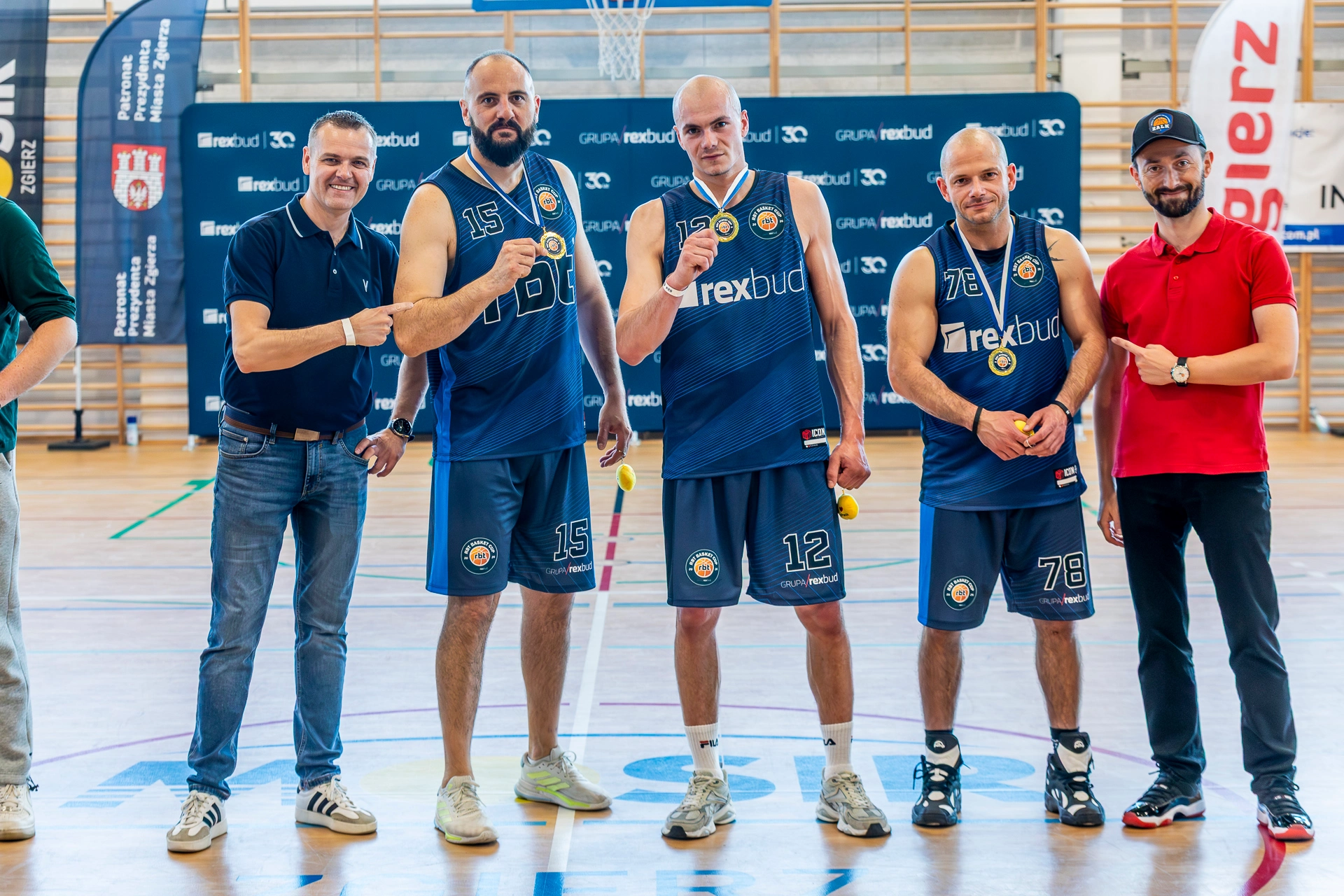
RBT Basket Cup 2026!
🏀 RBT Basket Cup through the eyes of a Photographer! 📸 We go back in our memories to an event that combined sports rivalry, huge emotions and great energy on the court and in the stands.There was a fight to the last seconds, incredible cheering, a lot of smiles and basketball at its best. 💥 We would like to thank all the teams, partners, fans and people involved in organising the tournament. It is thanks to you that the RBT Basket Cup had such a special atmosphere! 👇 WE'RE GETTING OURSELVES Basketball! 👉 Miejski Ośrodek Sportu i Rekreacji 🔗 https://mosir.zgierz.pl/👉 Przemysław Staniszewski - Mayor of Zgierz👉 BTC MASZYNY 🔗 https://btc-maszyny.pl/👉 MARTRANS 🔗 https://lnkd.in/davXXes6👉 OMNIDRUK 🔗 https://omnidruk.en/👉 EVENTS DIAMONDS 🔗 https://eventydiamenty.pl/👉 SOLINERG 🔗https://solinerg.pl/👉 EXPANSE 🔗 https://expansewfg.pl/👉 ZZA KONSOLI👉 RBT Solar 🔗https://rbtsolar.com/pl/👉 SODA FOR DELIVERY 🔗 https://sodanadowoz.pl/👉 IMS PARTNER 🔗 https://imspartner.en/👉 COOLPACK 🔗 https://coolpack.com.pl/👉DANCE ACADEMY PLĄS 🔗 https://plas.com.pl/👉 PIOTR MARCHEWKA 🔗https://lnkd.in/ddR3-ybb👉 FUNANDDRIVE FOUNDATION 🔗https://fnddzieciom.pl/👉 PUCHARYISTATUETKI 🔗https://lnkd.in/dhX_uJ8C👉 REDACTION ZGIERSKIE.EN 🔗https://zgierskie.pl/👉 ZGIERZ CENTRE 🔗https://lnkd.in/dHTJ3aGq👉 MKS UNIA JANIKOWO 👉 OPTO LIGHTING ŁÓDŹ👉 LUKS TRÓJKA SIERADZ 👉 GREEK TRADE KNB👉 KS KANZAS👉 DOBRE CHOPS FROM ZGIERZA👉 CEGLANI RZGÓW👉 GRZECHOTNIKI👉 RANGERS See you at the next edition! 🏀🔥
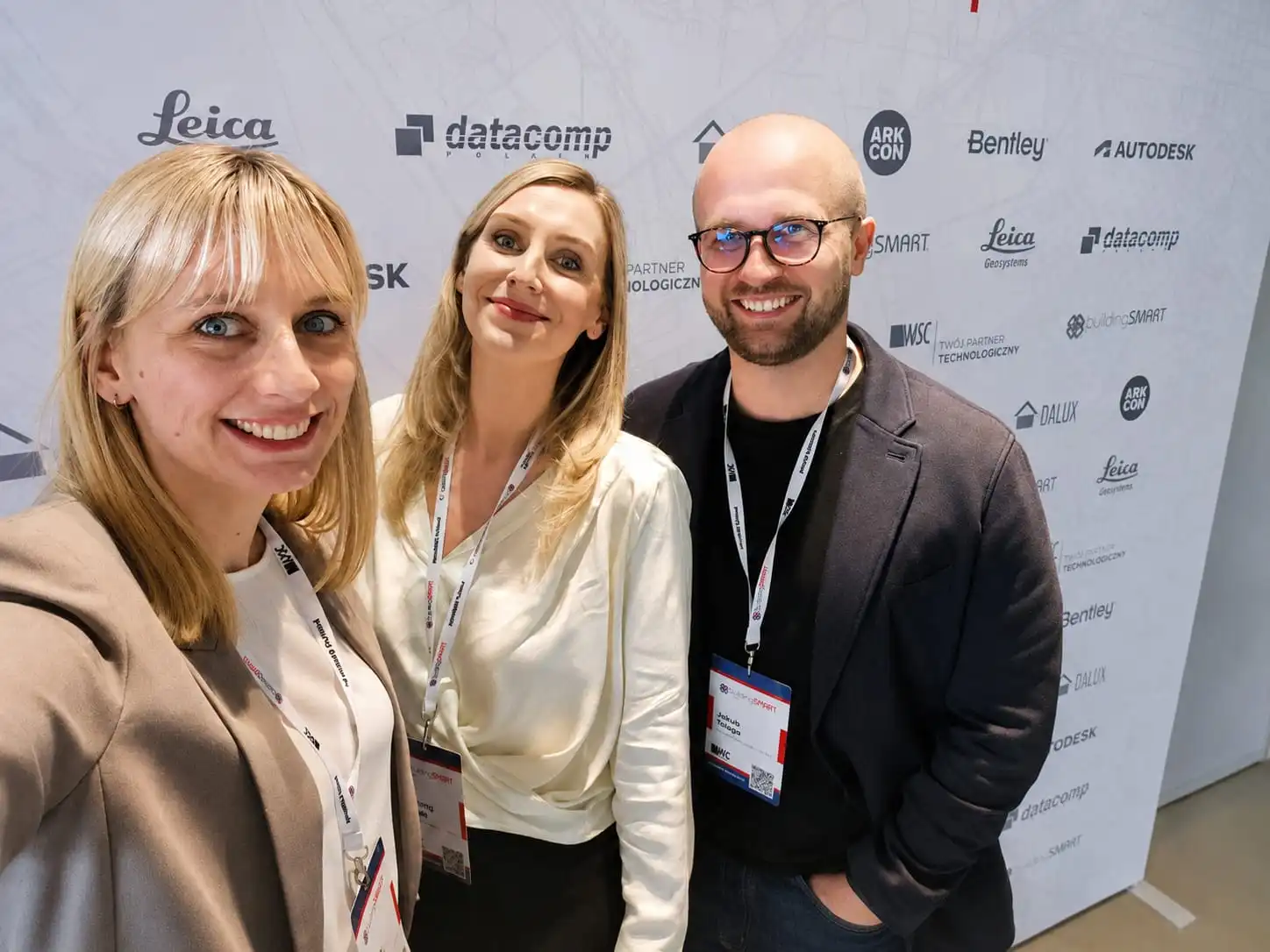
Our Experts at openBIM Poland 2026!
We would like to thank buildingSMART Poland for the excellently organised openBIM Poland 2026 conference! It was an extremely valuable and substantive event. We especially appreciate the workshop on ISO 19650, which showed BIM not only as a model, but above all as a structured way of managing information throughout the investment process. As Rex-Bud Construction, we are happy to have been part of this discussion and to have grown in an environment that focuses on open standards, data quality and interoperability. We would like to thank the organisers, speakers and participants for inspiring discussions, concrete conclusions and meetings that stay with us for longer.

We are part of the BIM Contractors Agreement!
The digital transformation of the construction industry needs not only modern tools, but above all common standards of operation. That is why Rex-Bud Budownictwo joins the „Contractors” Agreement for BIM' initiative, supported by buildingSMART Poland. It is a project that unites Poland's largest contractors around a common goal: to develop consistent, practical and open rules for the use of BIM and openBIM in the construction industry. We believe that true digitisation begins where technology meets effective collaboration, structured data and a unified approach to investment delivery. As part of the Covenant, we will work together to: -unifying BIM standards, -better organisation and exchange of project data, -improving communication between participants in the investment process, -creating practical guidelines to support the development of modern construction.
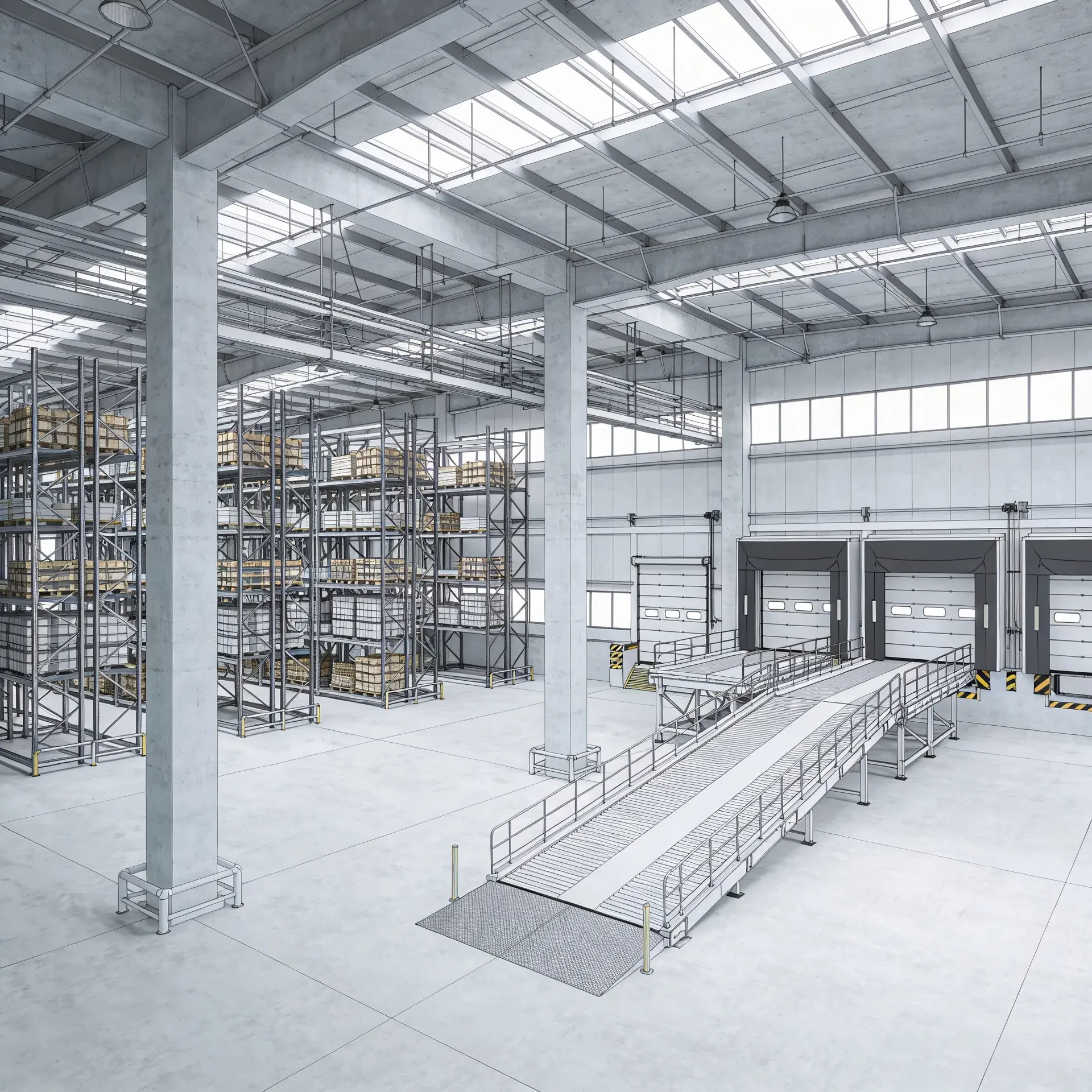
IDS standards, i.e. verifiable requirements
The increasing digitalisation of the construction sector and the growing use of BIM methodology are driving the need to clearly define the information requirements of models. The Information Delivery Specification (IDS) standard, developed by buildingSMART International as part of the openBIM concept, is the answer to this challenge. IDS provides a standardised way of recording the information requirements of a BIM model. It allows the formal specification of what properties (parameters), object classes and relationships should be provided at a specific stage of the development process. The openBIM approach, promoted by buildingSMART, is based on the use of open standards and neutral data formats, which provides a number of benefits to participants in the construction process, including:Investorsa. Providing greater flexibility in the choice of toolsib. Optimising costs by minimising errorsc. Streamlining cost and schedule planningProjects. Facilitated access to a variety of software to support the work. Ability to collaborate with a wider range of partners (through standardisation of processes, flows and procedures)Construction material manufacturersa. Facilitated planning and supply management throughout the investment processb. Expanded access to the contractor marketProducers of softwarea. Standardisation of processes increasing the audience for softwareb. Expanded opportunities for innovationGeneral contractorsa. Opportunity to reduce costs through a wider choice of software, including those with lower hardware requirements IDS acts as a „control layer” in this ecosystem, enabling verification of model compliance with developer requirements, organisational standards or project regulations. The use of IDS translates directly into improved data quality and consistency in BIM models. Automating the checking process reduces the time-consuming manual verification and minimises the risk of interpretation errors. As a result, it is possible to increase the efficiency of acceptance processes and better manage information at subsequent stages of the facility's life cycle - from design through to implementation and operation. In practice, the IDS standard is used, among other things, in: - defining information requirements for models transferred between the participants of the investment process, - validating the completeness and correctness of data for selected classes of elements (e.g. joinery, structural elements, installations), - checking the compliance of models with the client's requirements (EIR) or BIM standards applicable in the organisation, - automatically checking technical attributes, classifications and material properties. In the context of increasing data quality requirements and the integration of digital processes in construction, IDS is an important element in the development of the openBIM approach. Its implementation allows for a clearer definition of requirements, more efficient model checking and an increased level of confidence in the information used in the investment process. Written by Bartłomiej Zwoliński
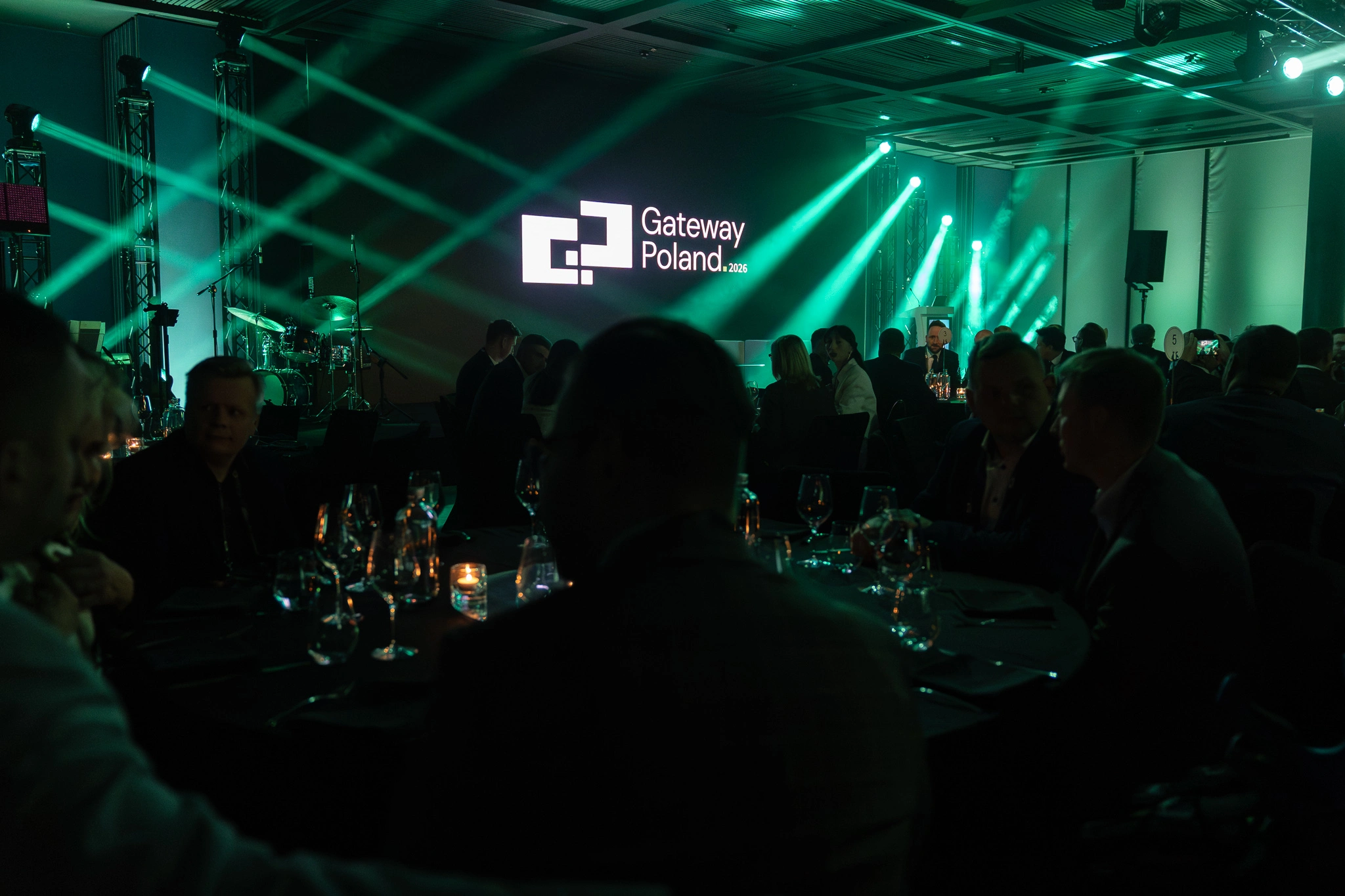
Gateway Poland 2026
On 14-15 April 2026, we participated in the Gateway Poland 2026 conference - one of the key events in the country focused on the development of digital infrastructure, data centres, cloud computing and artificial intelligence. The meeting was organised by the Polish Data Centres Association (PLDCA) and brought together a large number of specialists, investors, designers and representatives of the public sector. The conference created a space for the exchange of knowledge, experience and discussions about the directions of the industry development. The agenda of the event covered the most important issues related to the sector, including the design and implementation of modern infrastructure, energy availability issues, technology development and the competences necessary for further market growth. Attending the conference allowed us to stay abreast of current trends, develop business relationships and deepen our knowledge of modern infrastructure design. Photos Alicja Bokina: LinkedIn: https://www.linkedin.com/in/alicjabokina/).
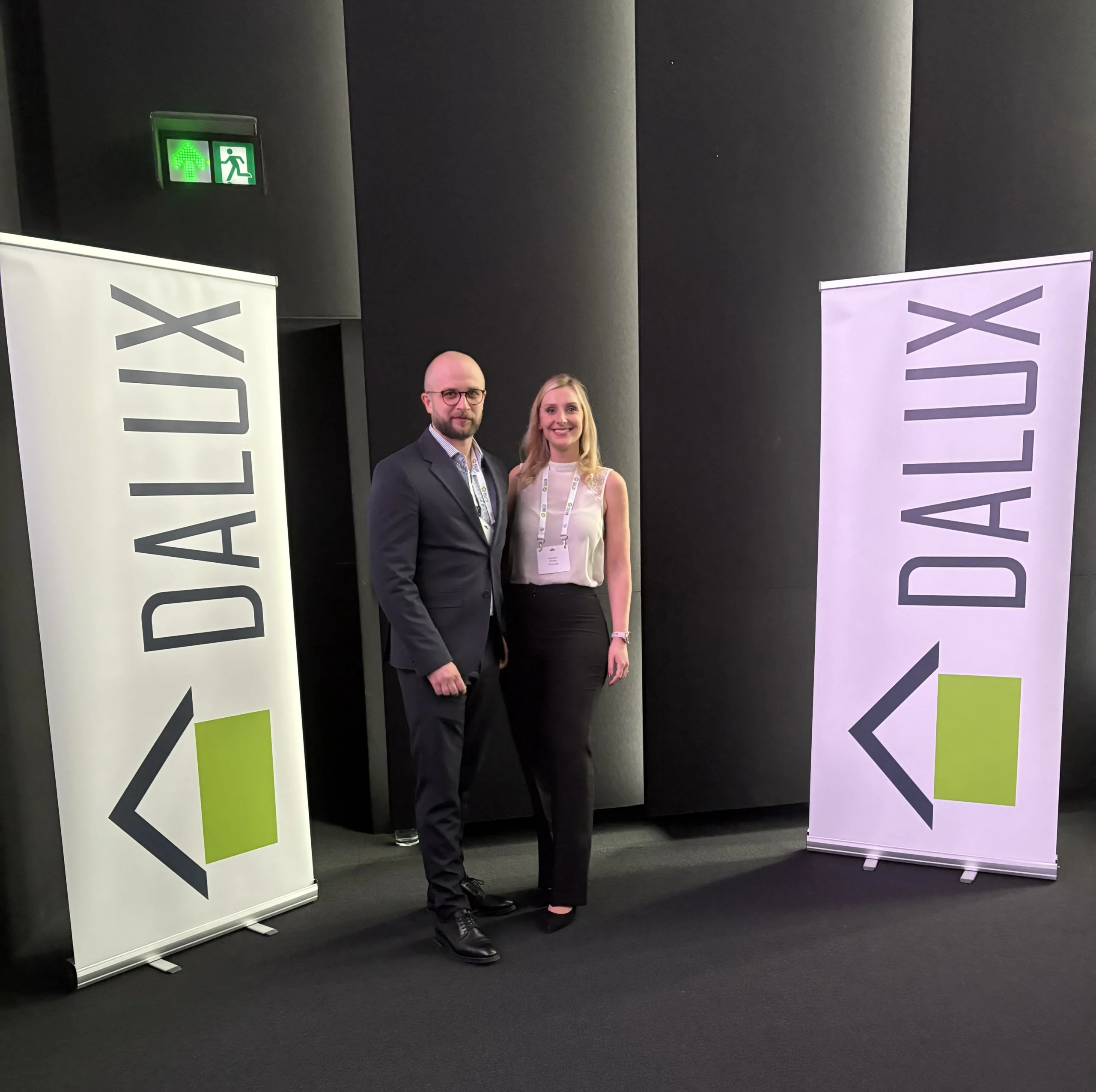
Our Experts at Dalux User Days!
Dalux User Days 2026 behind us! The emotions after this year's Dalux User Days in Warsaw have not yet subsided. It was an intense time filled with substantive discussions about the future of digitalisation in the construction industry. Our experts, Martyna Brożek and Jakub Telega, had the pleasure of sharing the practical aspects of using the Dalux platform in everyday work. We are delighted that our experience in the area of BIM met with so much interest and became the starting point for a valuable discussion. We would like to thank the organisers for an excellently prepared event and the participants for their presence, inspiring discussions and exchange of experiences.
Happy Easter!
Happy Easter! Our warmest wishes. Lots of peace, joy and spring energy that inspires you to new activities and ambitious plans! May this special time bring you moments of rest, hope and positive energy for each day - both in your professional and private life.

CDE in human terms: a single source of truth instead of emails and chaos.
On most construction projects, information circulates in emails, on disks and in various file versions. The result? Chaos, errors and costly decisions based on outdated data.That's why, in the mature form of the BIM methodology, a key element is the CDE (Common Data Environment), i.e. a shared digital information management environment.CDE in practice?It's a single, structured source of project knowledge - instead of dozens of emails and files like „version_final_v7_01.03.25_XX”.CDE - what it is and what it isn't.CDE is not just a „file cloud”, not a folder for „everything” or a bottomless digital well. It is a structured system in which every piece of information has its place, status and owner. How does the information cycle work in a CDE? Every piece of information goes through a clearly defined cycle: (WORK IN PROGRESS) - work zoneThis is where materials are created: branch models, drawings, documents. The team works internally, carries out initial coordination and auditing (e.g. by the BIM coordinator or PM). (SHARED) - approval/decision- release of documentation for execution (acceptance of design changes, removal of clashes)- notification of area requiring correction- acceptance of materials for incorporation- decision-making affecting cost and schedule (PUBLISHED) - publication of information for other process participants (designer, GW, investor, subcontractor)- design documentation- models- material proposals and technical sheets- requests for information (RFI)- schedules and progress reports- general communication (e.g. arrangements from before the signing of the contract with the developer) (ARCHIVED) - archiveRecording of the history and the full path of decisions, changes and agreements (base for site management).The result: all project participants work with the same up-to-date data, and every decision has its context and trace. Not every piece of information immediately goes „out there”. It is possible to target specific types of communication to predefined groups (project teams, subcontractors, inspectors, works managers, engineers, etc.). Roles and responsibilities - who is responsible for what? In a CDE there is no randomness:- someone publishes (e.g. designer)- someone gives feedback (coordinator/industry)- someone approves (e.g. PM/developer)- the rest use the approved information Why does a CDE work? It puts information in order, provides access control and makes it possible to trace the full history of changes - from the first version to the final decision.The effect of implementing a CDE is greater project predictability and real control over costs and changes. Data becomes consistent and decisions become measurable and justifiable. Content development: Karina Fornal
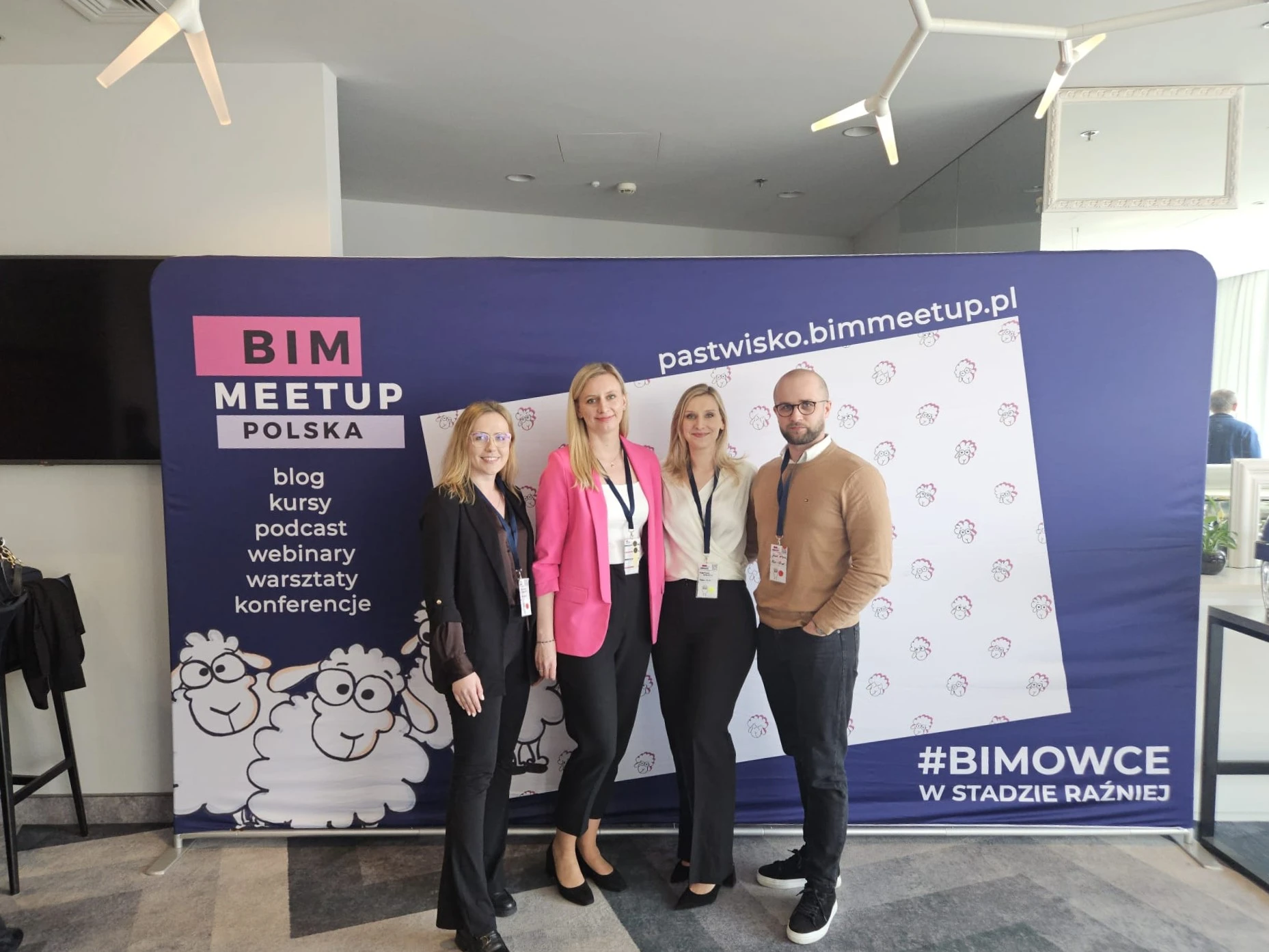
BIM MEETUP POLAND!
Our 4-person delegation has just returned from Wrocław and we must admit: it was INSPIRING! For two days our Rexbud Team bravely represented the BIM commoner species, grazing on the juiciest lectures and workshops. A solid portion of knowledge - from AI, automation, standards and implementations. Substantive speeches from experts and an exchange of experiences. We return to the office inspired, a little sleep-deprived, but with our heads full of ideas. Thanks to the entire BIM Meetup Poland Team, speakers and participants!